Ceremonial cacao, explained
What it is, how it works, and why so many people are choosing it as part of their wellbeing practice.
If you've ever heard someone talk about ceremonial cacao, you may have wondered whether it's simply another wellness trend or whether there is actually something special about it. The answer is: yes, it is different. Ceremonial cacao is not hot chocolate. It isn't a supplement, nor is it a psychedelic substance. It is pure cacao that has been minimally processed to preserve its naturally occurring nutrients and bioactive compounds. For centuries, it has been used within Mesoamerican cultures as both a nourishing food and an important part of community gatherings, rituals, and daily life.
Today, many people are rediscovering ceremonial cacao for a different reasons, because it creates the conditions to reconnect with ourselves.
But what makes ceremonial cacao so special?
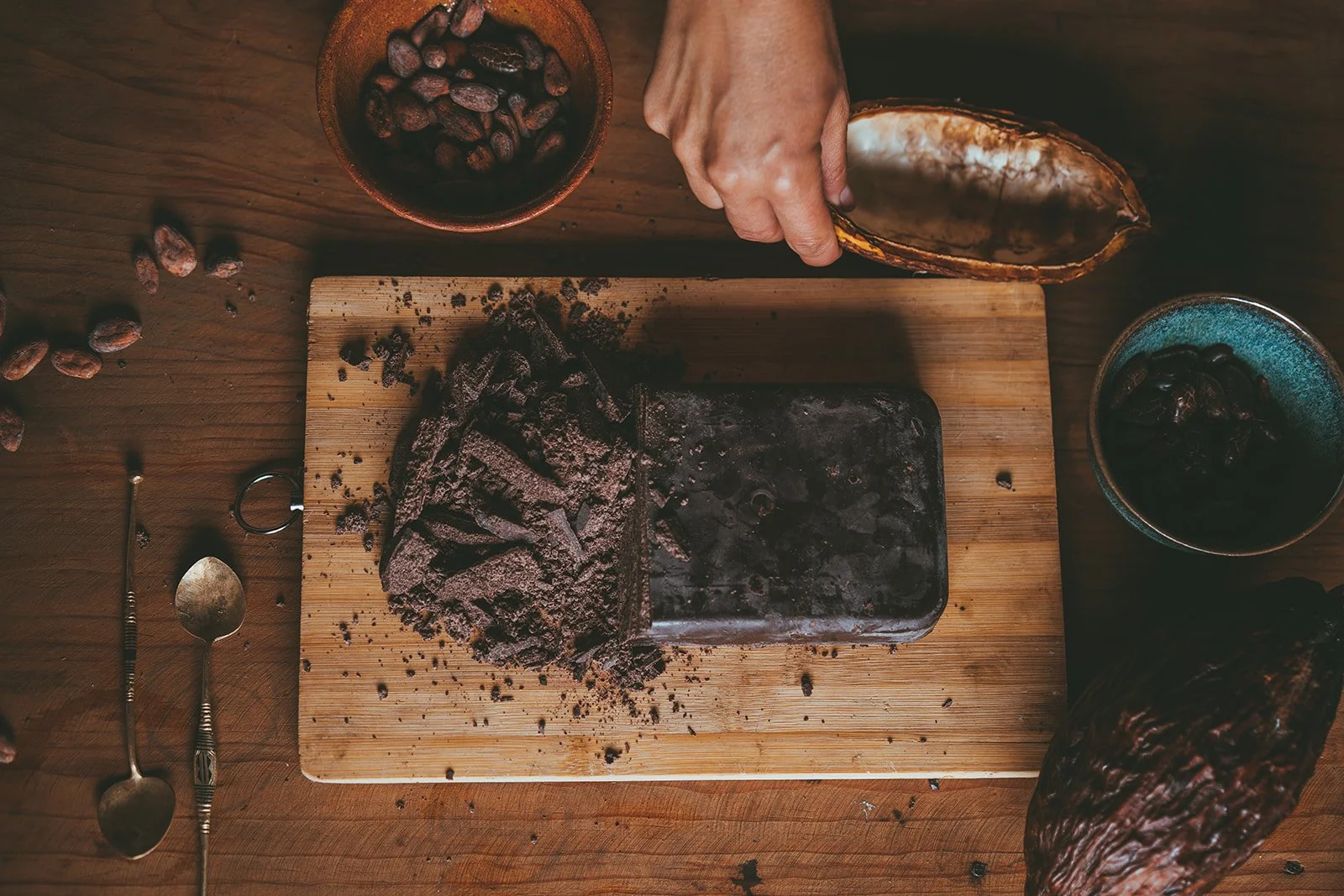
Unlike conventional cocoa powder or drinking chocolate, ceremonial cacao is made from the whole cacao bean. That means the natural cacao butter remains intact, along with many of the plant's naturally occurring minerals and compounds.
High-quality ceremonial cacao is typically:
minimally processed
free from added sugar or dairy
made from single-origin cacao
ethically sourced
produced in small batches with great care
The result is a rich, nourishing drink that retains much more of cacao's natural composition than commercially processed chocolate products.
A brief look at its origins
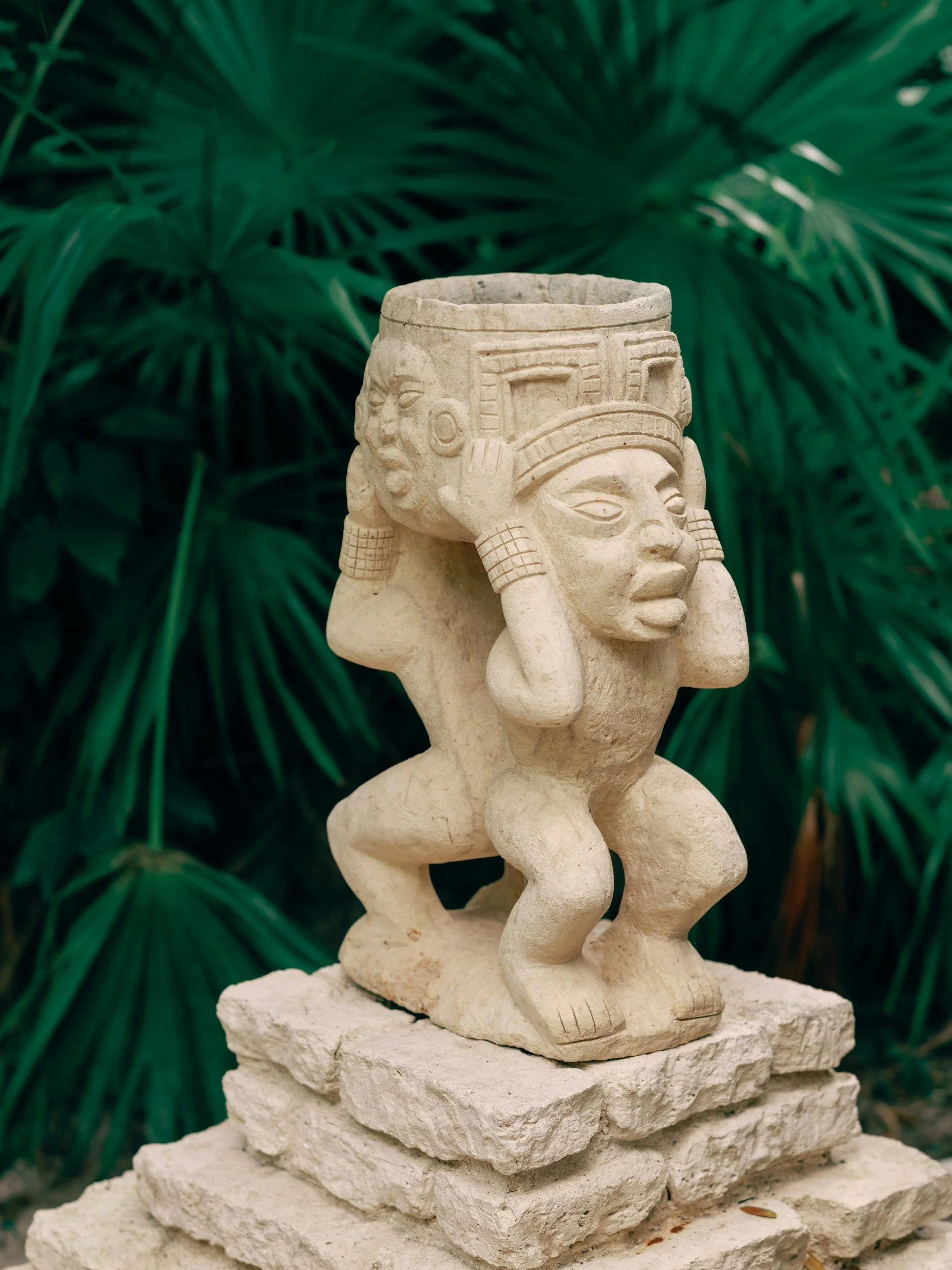
Long before cacao became associated with chocolate bars and desserts, it held deep cultural significance throughout Central and South America. The Maya and later the Aztecs regarded cacao as one of nature's most valuable gifts. It was shared during ceremonies, celebrations, important conversations, and rites of passage. Rather than being consumed casually, cacao often accompanied moments that invited connection, with one another, with nature, and with life itself. While modern ceremonial cacao looks different today, many people continue to honour these traditions by approaching cacao with intention and respect rather than consumption alone.
What actually happens in your body?
One of the reasons ceremonial cacao has been valued for centuries is because cacao is naturally rich in compounds that interact with the body in unique ways. Unlike highly processed chocolate products, ceremonial cacao keeps the whole cacao bean intact, preserving many of its naturally occurring nutrients and plant compounds.
One of the most well-known compounds in cacao is theobromine, a natural stimulant that belongs to the same family as caffeine. However, its effect is much gentler. Rather than creating a sudden rush of energy followed by a crash, theobromine supports circulation and provides a more sustained feeling of alertness and warmth. Many people describe it as a grounded energy, helping them feel present and focused without the feeling of being overstimulated.
Cacao is also one of the richest plant-based sources of magnesium, a mineral that plays an important role in the nervous system, muscle function, and the body's ability to regulate stress. This is one reason cacao is often associated with feelings of relaxation and ease. It is not because cacao removes stress, but because it supports the body in returning to a more balanced state.
The cacao bean also contains iron, which contributes to normal energy production and oxygen transport throughout the body, as well as a high concentration of antioxidants, particularly polyphenols. These plant compounds help protect cells from oxidative stress and are one of the reasons cacao is considered one of the more nutrient-dense foods.
Another interesting component of cacao is tryptophan, an amino acid involved in the body's production of serotonin which is a neurotransmitter that plays an important role in mood regulation and emotional wellbeing. Cacao also contains naturally occurring compounds such as anandamide, sometimes referred to as the “bliss molecule,” which is involved in feelings of pleasure and wellbeing.
Together, these compounds create a unique combination: cacao can be both nourishing and stimulating, while also supporting a sense of calm, focus, and connection. Many people notice that cacao does not push them into a different state, it simply helps them become more aware of the state they are already in. Combined with intentional ritual, this is where cacao becomes more than a nourishing drink. It becomes an opportunity to listen inward, reconnect with the body, and create space for reflection

Why do people call cacao heart–opening?
This is probably the phrase that creates the most curiosity, and sometimes the most scepticism. Here is what this essentially means; your heart and brain are in constant communication through the autonomic nervous system, a complex network that influences your stress response, emotions, breathing, and overall state of being. When we feel safe, calm, and present, our nervous system can shift away from constant alertness and into a state where reflection, connection, and emotional awareness become easier.
As mentioned, cacao naturally contains compounds such as theobromine, which supports circulation and gently stimulates the cardiovascular system, as well as nutrients like magnesium, which plays a role in nervous system regulation. Together, these effects can create a state that many people experience as both grounded and open, more awake, but not heavily stimulöated.
Many people describe this as feeling more connected to their emotions, their body, or the people around them. Not because cacao creates emotions that were not there before, but because it can create the conditions to notice them more clearly. In this sense, “heart-opening” is less about cacao changing who you are and more about creating a moment where the chaotic mind becomes quieter, allowing you to reconnect with what has already been present within you.
Is ceremonial cacao for everyone?
While ceremonial cacao is considered safe for most healthy adults, it isn't suitable for everyone. You should speak with your healthcare professional before consuming ceremonial cacao if you:
take antidepressants such as MAOIs
have certain heart conditions
are pregnant or breastfeeding
are sensitive to stimulants
Ceremonial cacao supports wellbeing, but it should never replace medical advice or treatment.
More than a drink
At its core, ceremonial cacao is not about escaping reality, changing who you are, or entering an altered state. It is not a drug or something that takes you away from yourself. Quite the opposite, it is a simple, natural plant food that can support you in becoming more present with yourself.
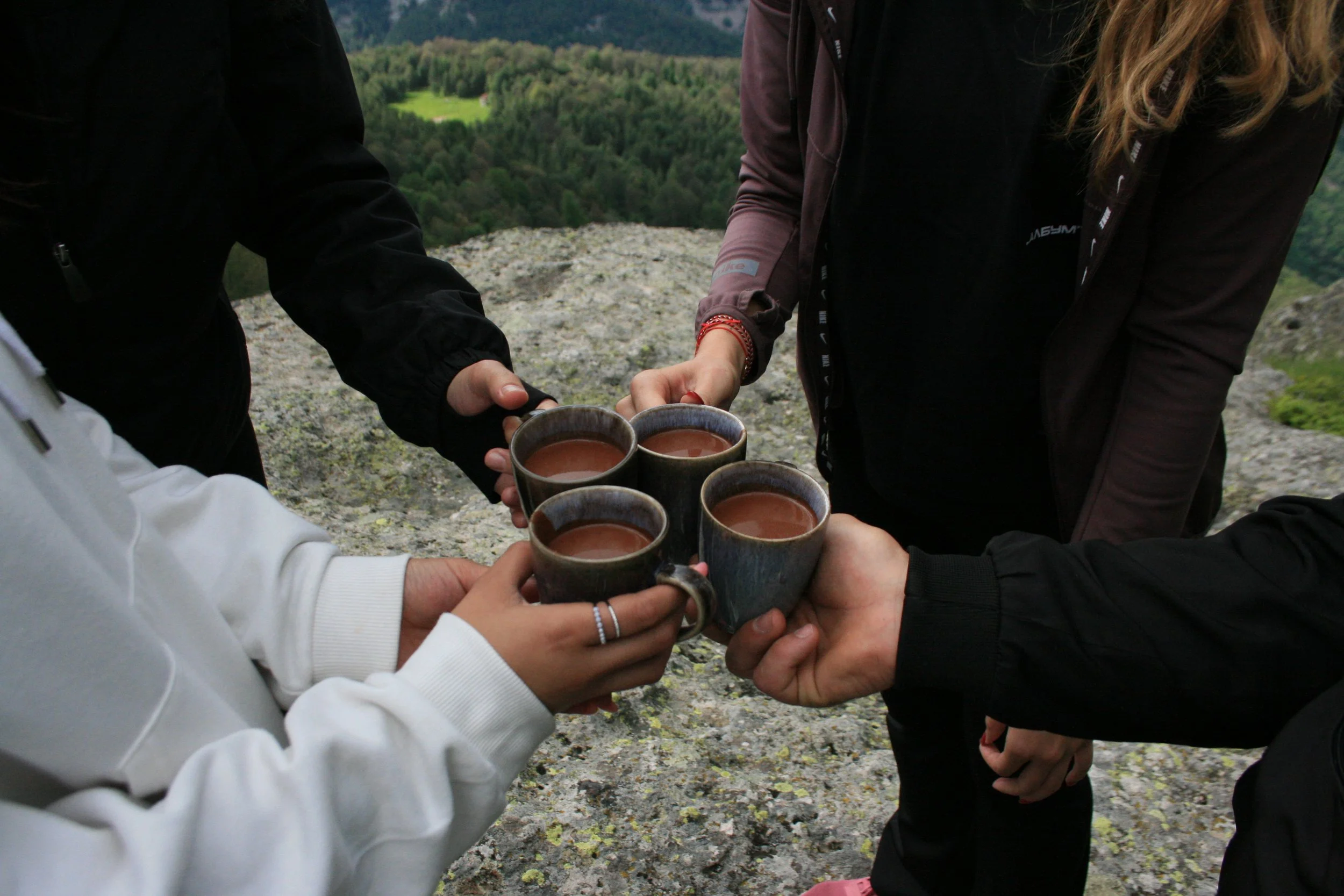
The cacao itself is only part of the experience. The intention, the ritual, and the moment you create around it are what allow the practice to become meaningful. Whether enjoyed in a community ceremony, alongside journaling, before meditation, or simply as a mindful moment in your day, cacao can become a gentle reminder to reconnect with your body, your thoughts, and what truly matters.
Because clarity rarely comes from adding more. Most times, it arrives when we create the space to listen.